

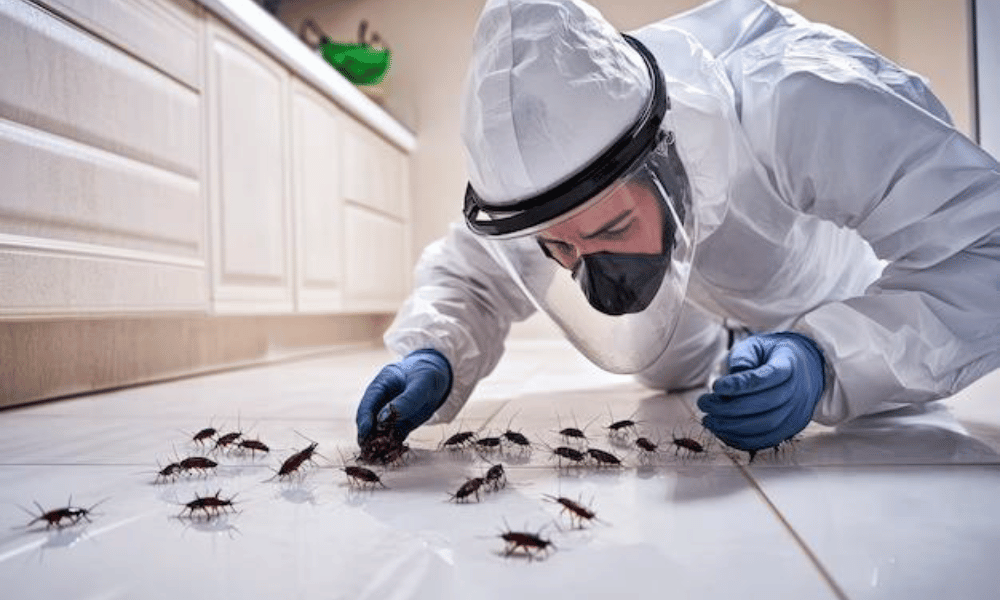
German cockroaches are a major problem in pest control. They are not just an annoyance they can reproduce quickly and produce 3-6 generations in a year. They can spread several pathogenic organisms and cause allergic reactions.
German cockroaches are about 1/2 to 5/8 inches long. They have two dark stripes on their shield-like pronotum and color ranges from light brown to tan. The nymphs are generally darker, making them a bit harder to spot. They are found in kitchens, bathrooms, and other moist areas. You should always check your kitchens, bathrooms, bedrooms and moist places.
They like hiding in places where food and water are available. Check behind appliances, under sinks, or in cracks in the walls. The more messy the space, the better for them. They find all those little corners perfect for settling in.
To effectively inspect for cockroaches you should have tools. A flashlight is essential for checking dark areas of the structure. Sticky traps help catch Cockroaches creep around around. A HEPA vacuum can also be a lifesaver for sucking up those sneaky pests.
Look for droppings in kitchen which are small and dark, like pepper. Egg cases, the female carries eggs which are tiny brown capsules, are another major indicator. And don’t forget the musty smell it is indicator of presence of the cockroaches. The odor can is often a sign of a larger infestation.
Monitoring helps in several ways. First, it tracks infestations. Second, it assesses treatment effectiveness. Lastly, it identifies high-risk areas for future prevention.




If you see more than five cockroaches during your inspections take immediate actions against it.
Sanitation is critical. Clean up spills immediately and store food properly. We had to train the client on proper food storage. It made a huge difference!
1. Seal potential harborages like cracks and gaps.
2. Use HEPA vacuums to remove debris.
3. Implement liners for waste containers.
4. Fix plumbing leaks—standing water is a magnet for cockroaches.

Chemical controls, such as baits and sprays, should be used judiciously. Timing is everything. Applying chemicals too soon can result in resistance.
Applying an Integrated Pest Management (IPM) approach is effective. This means combining several strategies for success. Use baits, insect growth regulators (IGRs), and traps.
1. Seal all cracks in walls and around windows or holes in the structures.
2. Keep exterior lights positioned to avoid attracting cockroaches.
3. Educate clients on maintaining a clean environment and proper sanitation.
4. Regularly check for plumbing leaks electrical wiring holes.
Share tips on maintaining cleanliness, proper food storage, and the importance of regular inspections. Client education is essential.
Follow label instructions for safe pesticide application to protect yourself but also the environment. Always wear gloves, masks, and goggles when handling pesticides. Safety is paramount.
Document inspections and findings compactly helps in tracking the effectiveness of treatments.
Technicians often get busy and forget to check. Common issues include overlooking cracks and not monitoring traps frequently. Don’t skip thorough inspections, and always follow up proper inspections after treatments.
1. Attend workshops and training on IPM of structural pests such as cockroaches.
2. Stay updated on industry trends by staying in connection with industry experts
3. Learn from experienced colleagues and professional by networking with theme.
4. Read relevant materials regularly, books, magazines blogs and articles