
Integrated pest management is the practice of controlling insect pests in an environmentally friendly way by reducing the use of traditional chemical pesticides to the maximum possible level. IPM does not replace the use of pesticides, but it can reduce pesticide usage during pest management practices.
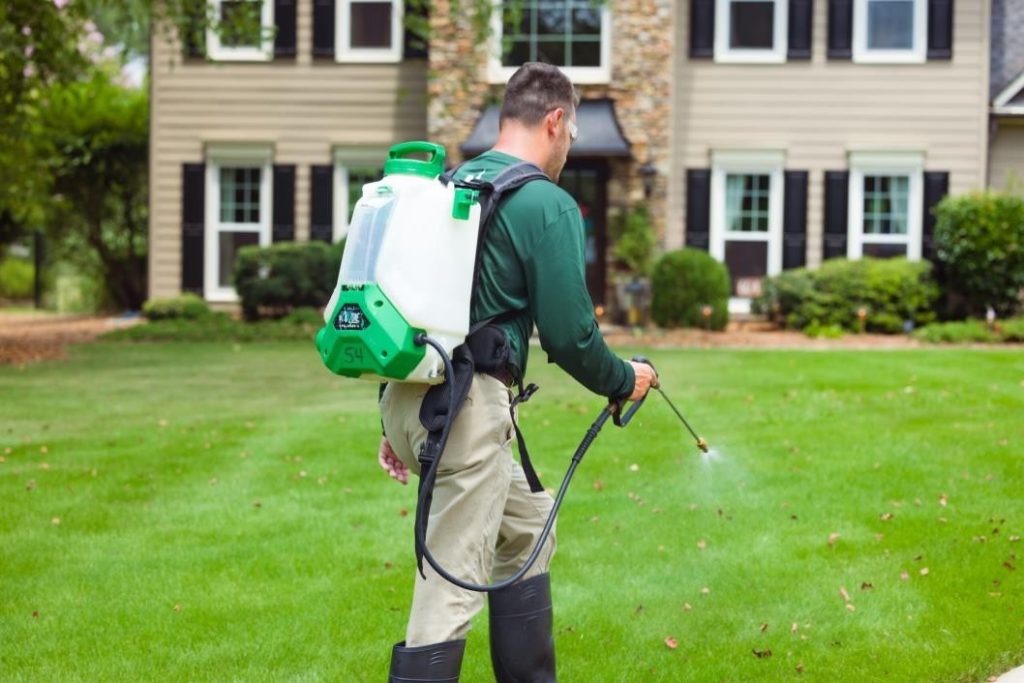


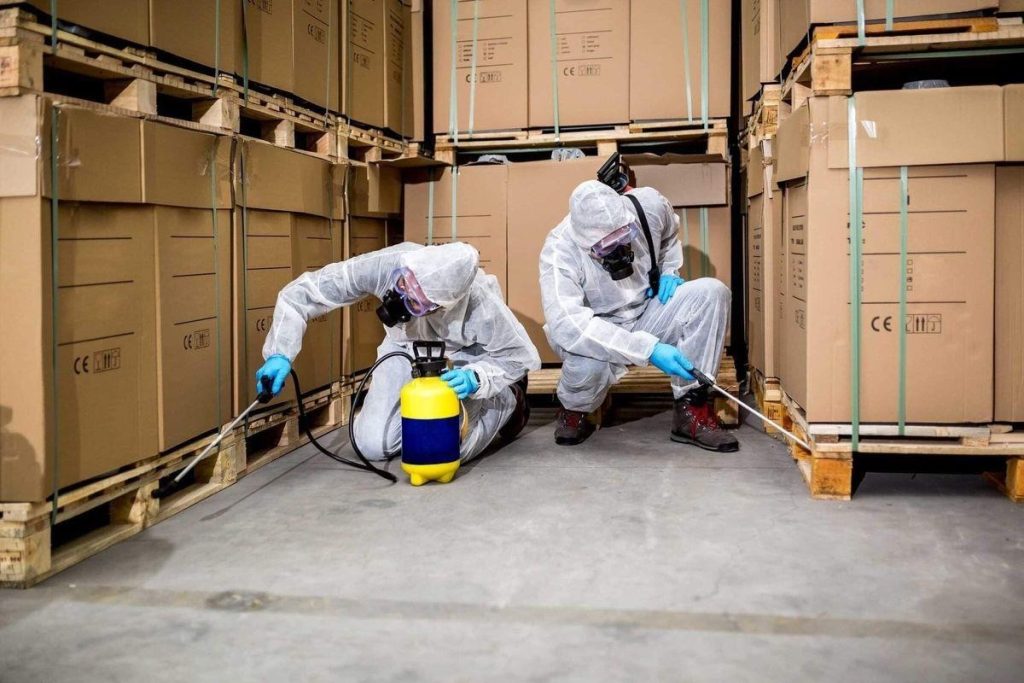
Structural and industrial areas are different from agricultural fields, and they require more precise and targeted pest control strategies. IPM is very critical in controlling structural and industrial pests, as in these areas the insect pests cannot be controlled as easily as in traditional agriculture fields due to health hazards and other consequences of the pesticides and the easy approach of children, pets, and vehicles in these areas.
So effective pest management in these areas requires integrated pest management practices to eradicate and control pests more precisely without damaging the environment or any other consequences.
The first step of any pest control strategy is to identify the pest and its monitoring. The pests are identified by an expert pest exterminator and monitored on a regular basis with different monitoring devices, such as lures and traps. For pest monitoring, different types of traps and lures are available. Lure is food, chemical pheromone, or both by which a specific insect pest is attracted. Trap is a device that captures the pests by using a lure in it. These traps include Storegard traps, sticky traps, light traps, pheromone traps, wall traps, and dome traps. These traps capture specific pests and help in controlling specific targeted pests without damaging non- targeted pests, which are beneficial for the environment and not doing any harm to the specific place.
Once a pest is identified, the areas of its entry are identified, and these places are closed with different materials such as cement, resin, taps, clothes, polyethylene sheets, and other materials that are suitable for the structure. The pests are stopped from entering the specific structure of an structural or industrial area.
When a pest is identified and we fail to prevent it from entering our structural or industrial area, then the next step is to control that specific insect pest in the structure. The insect pest can be controlled without using any toxic chemical pesticides. It involves the cleanliness of the area and using traps to capture and remove the insect pest. The physical, mechanical, and biological methods are used to control the insect pests of the area.
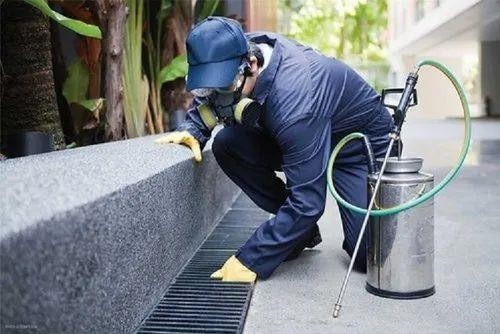
Sometimes the use of chemicals becomes necessary when we have failed to control the targeted pests with all other methods. Then we go for the chemical control method of the pest. During the selection of the chemical, keep in mind that the chemical pesticide will be less hazardous for the environment and will target our pest effectively. IPM cannot replace the use of pesticides, but it minimizes the use of pesticides that are less toxic and less hazardous to the environment, and it will not kill no targeted species.
After all these steps, we will check whether our IPM strategy is successful or not. IPM is not just a method; it is a philosophy to control insect pests effectively and can be customized according to the situation. If targeted pests are controlled with our first strategy, then we will keep following it. If we fail to control the pest, then we will customize our IPM strategy accordingly.