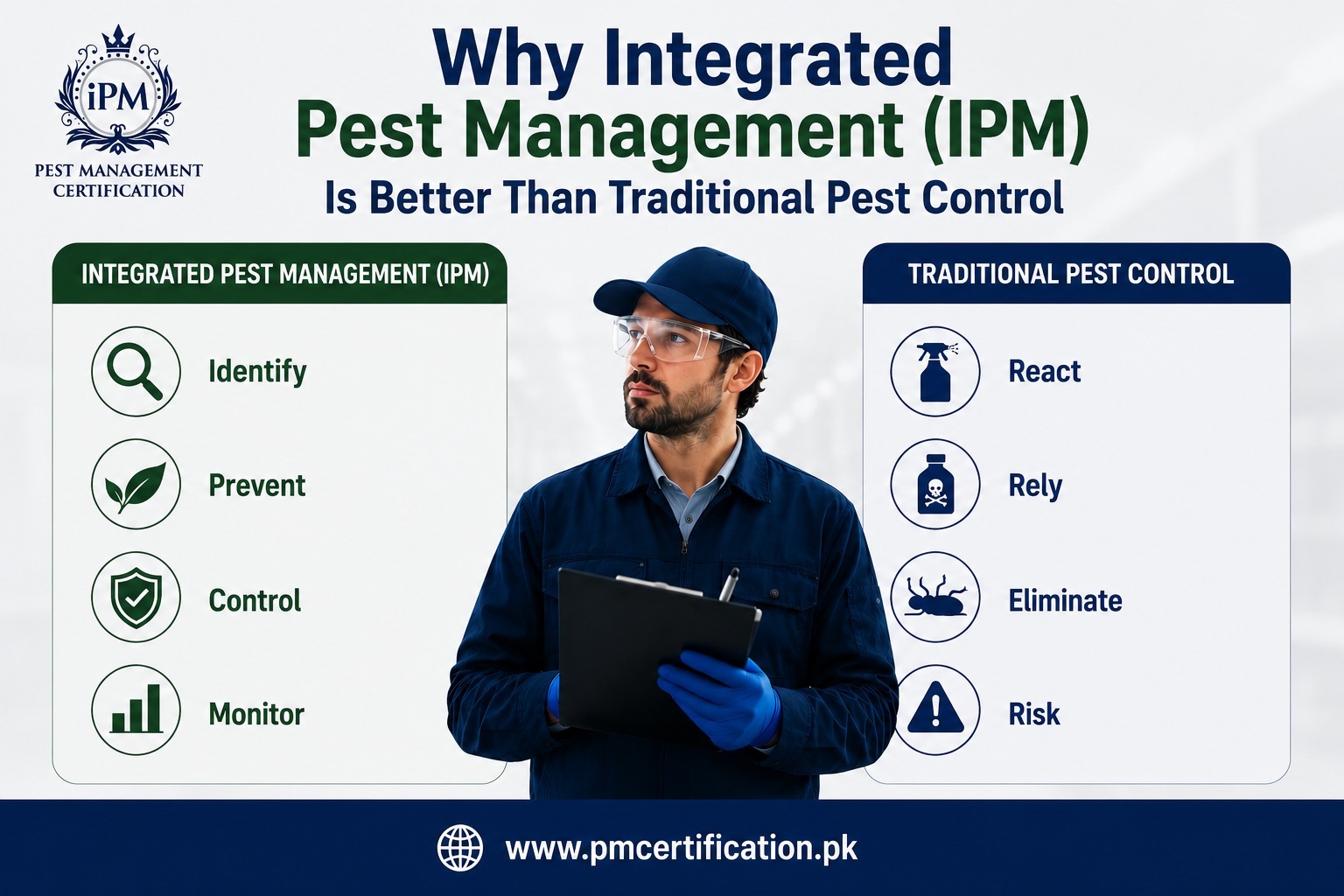
Controlling pests with spray chemicals (insecticides) and hoping it works best is a traditional method that can lead to health issues. It only works for the pests in front of you and can’t inspect or stop an infestation. Now, pest control techniques have become more intelligent and environmentally friendly, as homeowners, businesses, and farmers have become increasingly aware of health and environmental hazards. Integrated Pest Management (IPM) for pest control is the best and most advanced method, offering environmentally friendly and health-conscious techniques to control pest infestations. This blog throws light on Integrated Pest Management Vs Traditional Pest Control and explains how Integrated Pest Management is better.
IPM emphasises pest prevention and monitoring and the application of the least harmful approach, as the primary focus in pest control, rather than killing pests as soon as they are spotted. Integrated Pest Management is important not only for efficiency but also for safety and cost savings for both residential and commercial properties, as well as farms.
In this article, we will discuss what each method entails, compare the two, and explain why Integrated Pest Management is now the standard method for today’s pest management.
What is Integrated Pest Management?
Integrated pest management (IPM) is a science-based approach to pest management that combines biological, cultural, mechanical, and chemical methods to provide the most effective and environmentally responsible pest control program possible.
Integrated pest management is not only an approach but the best for pest prevention, making it appealing by using strategies such as sealing gaps, eliminating food sources, and controlling moisture, thereby creating an environment that is less attractive to pests.
The following are the basic principles of IPM:
- Prevention first: Stopping the pest from entering a premise. Blocking its way
- Correct identification of the pest: One is able to identify the pest visually in a correct way.
- Pest monitoring: regular monitoring of an area to assess the activity of pests over time
- Identifying when actions are needed: establishing action thresholds
- Targeted treatment: If chemical control is required, then the treatment must be minimum of the least toxic option
This is the difference between Integrated Pest Management and the practices used before, such as the use of chemicals to control pests. Sustainable pest management is not a matter of killing all pests when they are seen; it is a matter of maintaining pest numbers at an acceptable level.
How does traditional pest control work?
The more common approach that people are used to is traditional pest control. Usually entails the detection of a pest problem and then the use of chemical pesticides to control it; it is usually done on a fixed schedule, without regard to pests.
This approach has been used for decades and continues to be used today, particularly during emergencies, such as when an infestation occurs suddenly, and quick results are needed. It is still frequently found in older structures or areas where there is no IPM program.
Here are a few misconceptions that should be corrected:
- Traditional pest control is not necessarily “the wrong approach,” especially when the problem is large and/or critical.
- Not necessarily associated with excessive use of chemicals, but heavy use of pesticides often is its greatest problem.
- While it’s not necessarily less expensive in the long run, it may appear to be.
- Traditional approaches are reactive, rather than proactive, and deal with an observable issue. Below is a comparison of the differences in approach.
Integrated Pest Management: Different from Traditional Pest Control
Here is a case study that helps you to understand the major difference between Integrated Pest Management and traditional pest management
Case study
As a food restaurant owner, Mr. Aslam was facing rodent infestation on his restaurant premises. After careful inspection, such as gnaw marks and rodent droppings, he faced a serious risk of food contamination, product loss, and noncompliance with food safety regulations. Using the traditional method of rodenticides was not enough, so they hired us for our integrated pest management services.
We conducted a detailed inspection, identified the pest entry points, and sealed the cracks, gaps, and holes. We improved sanitation by removing food residues and fixing water leaks. After this, we installed rodent bait stations, traps, and monitoring devices in strategic locations.
Used targeted, food-safe pesticides only where monitoring confirmed pest activity. Performed regular inspections and monitoring to ensure long-term control.
The result is that the IPM-based approach maintained effective control of the rodents, and the storage area became clean and rodent-free. Food contamination risk was minimized with this activity. The facility successfully met the food safety and regulatory requirements by overcoming the rodent infestation challenge. IPM reduced the unnecessary use of pesticides, providing a sustainable and long-term prevention solution.
Understanding Both Approaches: Key Factors to Consider
Here are some factors that help you better understand integrated pest management vs traditional pest control.
Pest Prevention
The key to IPM is prevention, avoiding an infestation by eliminating conditions that attract pests and then inspecting and monitoring them. However, traditional pest management approaches are mostly reactive, acting only after pests are seen.
Environmental Impact
Since chemicals are used sparingly and only when they are needed, IPM has much less impact on the environment. More frequent and high-intensity pesticide application over time can impact soil, water, and surrounding ecosystems in traditional pest control.
Human and pet safety.
IPM is generally safer for commercial buildings, property workers, pets, and householders when it comes to reduced and targeted chemicals. Traditional spraying has an increased exposure risk from frequent spraying of broad-spectrum materials.
Cost Over Time
While traditional pest control might be a lesser cost per visit, repeated infestations and continuous chemical applications can cost a lot. IPM’s ‘sustainable’ approach is designed to minimise the occurrence of pest issues and their intensity in the long term, frequently costing less in the long run.
Long-Term Effectiveness
It takes a short time to eliminate a visible pest population using traditional methods, but the pest can readily return if the cause of the problem is not addressed. Integrated pest management is more likely to achieve long-lasting results through the use of prevention and monitoring.
Chemical Usage
IPM utilises pesticides as a control method of last resort and in limited amounts. Normally, the key, and often only, means of control in traditional pest control is the use of chemicals.
Pest Resistance
When pesticides are used repeatedly on the same crops with traditional methods, pest resistance will develop with time, and treatment will be less successful. This risk is greatly minimised by IPM’s diverse strategy and pesticide resistance management.
Sustainability
The IPM approach is consistent with sustainable agriculture and environmental pest management objectives, and favours beneficial insects and healthy ecosystems. The approach of traditional pest control, which has an attitude of chemical first, is more difficult to maintain at scale and without compromises to the environment.
Traditional VS Advanced Pest Control
| Factor | Integrated Pest Management | Traditional Pest Control |
| Approach | Preventative and monitored | Reactive |
| Chemical Use | Minimal and targeted | Frequent, Broad |
| Environmental Impact | Low | Higher |
| Safety | Generally safer | High Exposure Risk |
| Cross Over Time | Lower long-term cost | High long-term cost |
| Effectiveness | Long Lasting | Short-term Fixes |
| Resistance Risk | Lower | Higher |
Now you better understand the difference between integrated pest management and traditional pest control methods. Integrated pest management not only offers a long-term solution but also a cost-effective, environmentally sound approach that delivers lasting results while prioritising safety.
Benefits of Integrated Pest Management
Here are some benefits of Integrated Pest Management to help you understand why it is necessary:
- With less pesticide use, there is less pesticide in food production settings, homes, and workplaces.
- Long-term pest prevention is a better outcome that focuses on causes rather than symptoms.
- Reduced environmental impact safeguards soil, water sources and local wildlife.
- Beneficial insects, such as bees and natural pest predators, are protected, which contributes to healthier ecosystems.
- Better public health outcomes due to decreased exposures to chemicals among humans and animals.
- Cost-effectiveness over time, because fewer repeat treatments are required if the environment is managed properly.
- Support for sustainable agriculture and commercial pest management, assisting farms and businesses to conform to environmental and safety standards.
For a warehouse transitioning to IPM, this may begin with sealing off structural holes and improving sanitation, significantly reducing rodent activity before any chemical treatment is considered.
Components of an Effective IPM Program
A successful IPM program usually consists of the following steps:
- Assessment of infestation: a determination of the amount of infestation, as this determines the type of treatment.
- Treatment: a comprehensive treatment of the property to address pest issues and points of entry
- Monitoring: a continuous process of checking, traps, logs or visual detection to capture issues at an early stage
- Management and control measures: sealing entry points, eliminating food and water sources, and ensuring sanitation.
- Biological control: release of a natural predator/parasite to control pest populations.
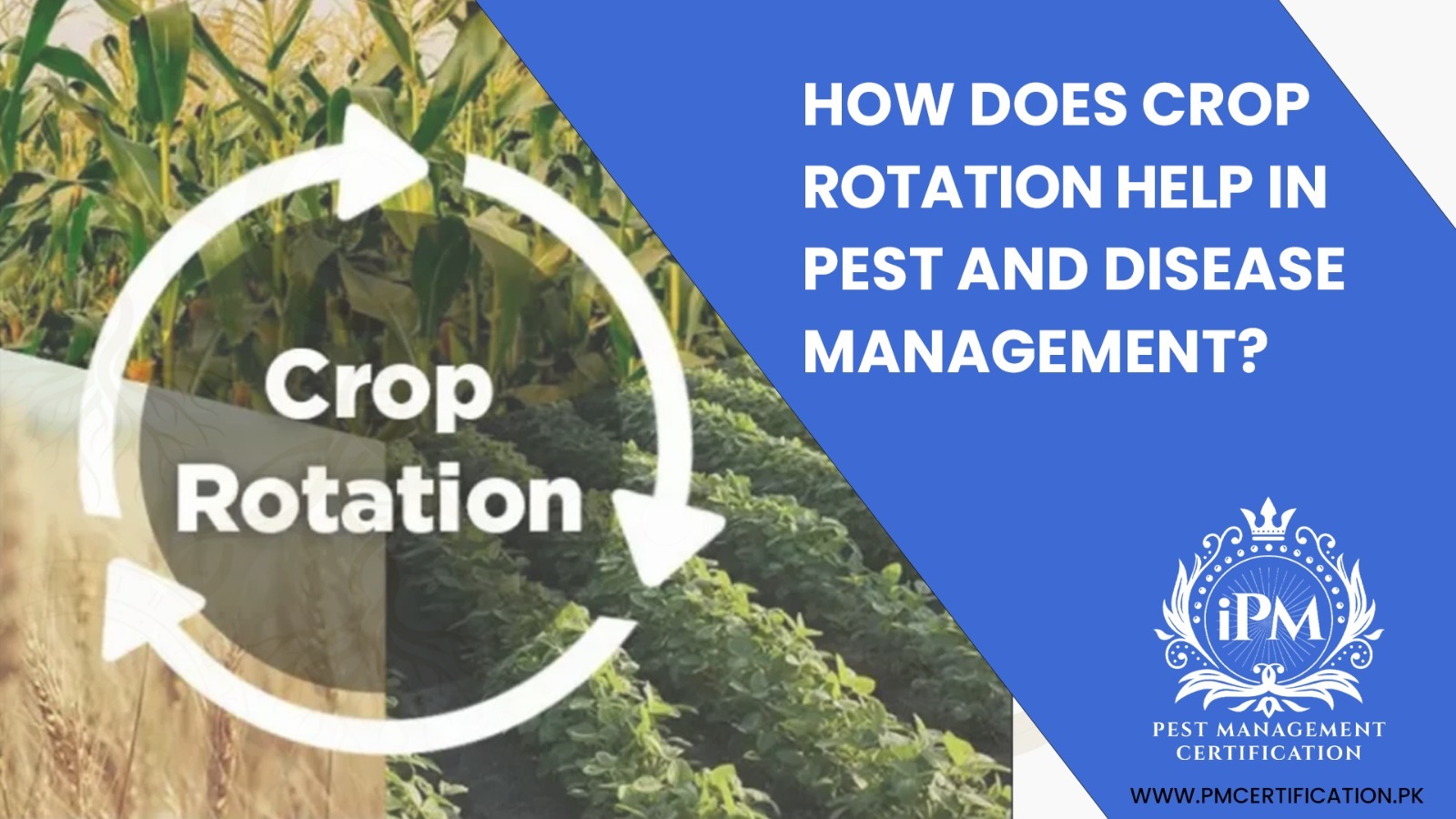
- Cultural control: The use of cultural controls, which involve changing management practices to make pests less attractive, such as crop rotation, landscaping and waste disposal.
- Responsible chemical control: last resort, as targeted and minimally as possible.
They act in concert, hence the term integrated pest management; none of these methods takes the burden of pest control alone.
When should integrated pest management be implemented/followed?
IPM can be effective in many situations, such as:
- Homes: long-term protection against common household pests such as ants, termites and rodents
- Commercial buildings: where exposure and liability issues to chemicals have to be avoided, as safer options are required.
- Food industries: where there is a strict requirement for hygiene, and chemical use is dangerous and unacceptable
- Warehouses: large areas where prevention and monitoring are easier to put into practice than frequent spraying.
- Agriculture: sustainable solutions that benefit crops, soil, and beneficial insects
- Schools: children’s health and safety have minimal chemical use as a priority.
- Hospitals are a special environment, and pest control doesn’t want to jeopardise patient safety.
In all of these situations, one thing is common: effective pest control with minimal risk to the individuals using the space.
Misconceptions about IPM.
There are some common misunderstandings, so let’s dispel them:
- The essence of IPM is “no pesticides. Not true: IPM continues to use pesticides when needed, not as a first resort, but rather as a targeted last resort.
- “IPM is expensive.”Initial inspection and setup may be more expensive, but IPM can save money in the long run by preventing recurring infestations.
- “IPM works slowly.”IPM tackles root causes, so even though it takes time to see results, it eliminates the endless cycle of issues that traditional pest management approaches strive to solve.
- IPM is just for farms. The principles of IPM can work just as well for homes, offices, restaurants and hospitals as they can for agricultural operations.
- “Traditional pest control is always more powerful.” Traditional methods can provide quick results in active infestations, but stronger is not necessarily better over the long run; in fact, IPM’s prevention-based tactics may be the most effective in the long run.
Frequently Asked Questions
1. What is the key difference between Integrated Pest Management (IPM) and conventional pest management?
IPM is all about prevention, monitoring, and the combined use of multiple control measures, with chemicals reserved as a final resort. Conventional pest management primarily uses chemical products to control pests once they have been detected.
2. Can the children & pets be saved from health problems during a pest control treatment?
Yes. IPM may be a better choice for families with children and pets than a regular chemical spray because it reduces reliance on chemicals and uses them only when necessary.
3. Is IPM an alternative to pesticide use?
No, IPM does not eliminate pesticides from your toolbox; it just views pesticides as one of the tools, and applies them only when necessary and in small amounts.
4. Is there any cost to using IPM compared to conventional pest management?
Typically not in the long term. While IPM can be somewhat more expensive initially, it reduces the risk of recurring infestations and can work out better in the long run than traditional pest control.
Final Words
Integrated pest management, compared with traditional pest control, offers a prevention-based solution rather than relying solely on chemicals. By using chemical treatments only when truly needed, IPM is a more sustainable, safer, and ultimately more effective approach that integrates pest identification, monitoring, and a variety of control methods.
Although traditional pest control may be appropriate in some situations, Integrated Pest Management is advantageous in the long run for safety, environmental impact, and cost. With IPMC, you become a certified professional with an excellent foundation in integrated pest management techniques and can easily pursue your career as a pest management professional. So, enrol today in your relevant course and get certified.