
+92 (331) 9707926

info@pmcertification.pk

Pesticides Acts, Laws, and Legislation for IPM Technicians

IPM Technicians

IPM technicians are the heroes who help to keep our structural pests in control. They manage and apply pesticides in our structure, so it is necessary for them to know about acts and laws relevant to their work imposed by plant protection departments or international organizations such as FAO. In this article, we will discuss pesticide laws, regulations, and acts to manage and handle pesticides in an environmentally friendly manner. Different pesticide regulations and laws were made to use them in an environmentally friendly way that is not harmful for human, plant, or animal health.


International pesticide regulations

Pesticide Use and Handling:

  • Pesticide should not damage the quality of property, environment or human being and pets.
  • It should be handled, transported, transported, stored and disposed in that manner that it do not pose risks to the environment, biodiversity and health of the masses.
  • Proper certifications and permits are required for the formulation, manufacturing use or sale of the pesticides.
  • Strict rules for check and balance of prices are imposed for pesticides discharge in environment.

Control Orders:

  • Order limits are controlled by regulatory authorities if its discharge effects adversely to the environment.
  • The bodies which are getting control orders, they must follow the instruction related to pesticides handling, storage, use or the disposal.
  • Failure to follow the instruction may leads to heavy penalties which maybe fine or even imprisonment.

Penalties and Legal Consequences:

  • Depending on the severity and consequences of the violation organizations may get penalties.
  • The penalties will be applied if the error or disobeying law continues.

Environmental and Health Protection:

  • It should be ensured by authorities that any pesticide being used should not cause long term harm to our environment.
  • Pesticides use and handling must follow strict safety protocols.

Licensing and Permits:

  • Pesticides license of use or sale are strictly regulated and should not transferred to any other non-technical person or organization.
  • International rules order a clear and transparent process for obtaining and renewing pesticide-related licenses.

AD's

Pesticide regulations in Pakistan

The Agriculture Pesticide Ordinance, 1971

The first pesticide regulations were made in 1971 in Pakistan, which elaborated on how to register, sell, and use pesticides. These regulations were set to protect human health, biodiversity, and plant health during pesticide usage. The ordinance gives details about registration requirements, labeling standards, and enforcement.

  • Registration Requirements: Registration is the first process before selling marketing and using the pesticides. Before registration, the pesticides are gone through different tests by an expert chemist, toxicologist, or entomologist. These tests make sure the pesticides are safe to use.
  • Labeling Standards: Labeling is very critical in pesticide usage; it provides all necessary information about safe use of pesticides, precautions while using, and hazards they might cause to human health.
  • Enforcement: To make these regulations strictly followed, plant protection departments are responsible, and they keep checking and testing pesticides of different companies and vendors.

The Agricultural Pesticides Rules, 2018

The agriculture pesticides rule, 2018 was set for Punjab, and they give us more detail about the complete registration process of pesticides and their regulations. These laws are based on the manufacturing, dealing, and applications of these specific chemicals, pesticides.

Important Aspects: The important aspects of pesticide rules are how it should be applied, registration as a dealer, and quality control.

  • Application Process: The application process is simple and detailed, which provides all information and details about all steps and procedures to get the pesticides registered. The information for registration includes details about the active ingredient and how it will be used.
  • Dealer Registration: If you want to get registered as a pesticide dealer, then these rules provide all necessary information to get registered as a vendor or a dealer. You have to meet certain educational and ethical standards for it.
  • Quality Control: The plant protection department has put in place strict quality control standards and measures to ensure the safety and efficiency of the pesticides.

Health and Safety Regulations

Health and safety of the workers and technicians is the most important thing while applying any sort of chemical pesticides or fumigants, integrating in the IPM strategy. Regulations outline all the necessary precautions to avoid pesticide poisoning and ensure safe working conditions. These safety precautions include training, protection, and health monitoring of the person.
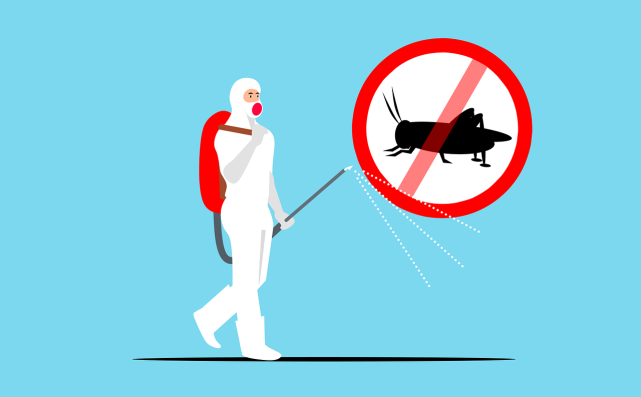
  • Training: Pest control companies have to provide proper training to the workers for safe handling and post-application procedures. It is a need of the time to make the workers experts in the field and make theme up-to-date.
  • Protective measures: The technicians and workers working in pest control and IPM personnel protective measures should be taken and workers should used Goggles, gloves, and mask. 
  • Health Monitoring: Health monitoring of the workers is very crucial in pest control and fumigation services. Employers have to check and monitor the health of their workers from time to time.

Analytical Standards and Testing Procedures

  • Analytical standards and testing of pesticides involve strict testing to make sure that the formulations and checking residue on the crops. Different organizations like AOAC, FDA, and WHO provide testing protocols and guidelines for pesticide formulation testing.
  • There are several methods proposed by the Association of Official Agricultural Chemists (AOAC) and the World Health Organization (WHO).

And there are specifications from the Federal Drug Administration (FDA) and other recognized authorities to make sure everything meets international safety standards.

Sustainability and Environmental Protection

Bringing sustainability into pest management practices? Yeah, that’s really important. The laws promote responsible pesticide use to protect non-target species and the environment. Following important points should be considered to protect the environment:

  • Disposal Guidelines: There are clear rules for disposing of leftover pesticides and empty containers safely to avoid contamination.
  • Risk Assessment: The laws require that potential environmental impacts be assessed before any pesticide gets approved.

Penalties for not following regulations.

It is crucial for IPM technicians to know what happens if they don’t comply with these regulations. The framework outlines specific offenses related to pesticide use, such as:
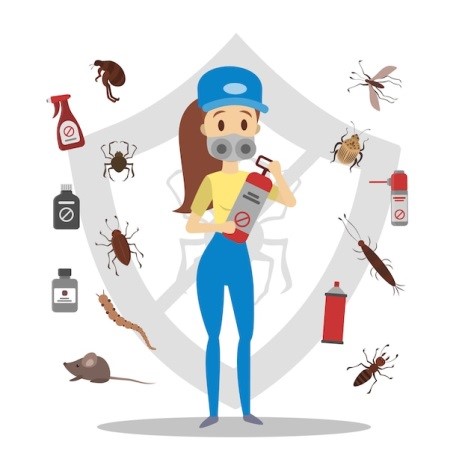
  • Unregistered Pesticide Use: Using pesticides that aren’t registered can lead to some serious consequences, including fines or even jail.
  • False Advertising: Misleading info about a pesticide’s efficacy or safety can result in legal issues and financial penalties to the vendor or company.
  • Negligent Practices: If you fail to follow safety standards, like not giving proper training or PPE, you might face fines or a suspended license.

The Plant Protection Department has the power to enforce these laws and impose penalties to keep everything compliant and to protect the environment, public health, and safety. It is very necessary for the IPM technicians to know these necessary laws and regulations set by the plant protection department.

2 Responses

  1. It’s rare to come across texts that educate, inspire, and enchant all at once! Your article is not just a collection of information – it’s a true feast for the mind. Your words wrap around the reader like a warm blanket on a chilly evening, making them want to return again and again.

Leave a Reply

Your email address will not be published. Required fields are marked *

JOIN US

Copyright © 2024 IPM-Certification